
Home » FAQ
Still have questions? Get in touch with our team for personalised support. We’re here to help you understand more about your care.
Osteopathic treatments offer numerous benefits, including pain reduction, improved mobility, muscle tension release, and restoration of bodily balance. Many patients also report enhanced overall well-being and a greater ability to manage daily activities.
During the first visit, our osteopath will conduct a thorough assessment, which includes discussing your health conditions and medical history. A physical examination will follow to identify problem areas. Based on the findings, a tailored treatment plan will be developed.
Most patients describe osteopathic treatments as comfortable and relaxing. You may experience slight sensitivity in the treated areas, but this is normal and usually dissipates quickly.
The number of sessions needed varies depending on specific conditions and response to treatment. After the initial assessment, our osteopath will provide you with a detailed plan that includes the recommended number of treatments.
In general, yes. Most patients can resume their daily activities immediately after a session. However, our osteopath may provide some guidance on how to manage physical activities to optimize recovery.
Yes, osteopathy is a versatile therapeutic approach that can benefit people of all ages, from pregnant women to the elderly. Before starting treatment, we will conduct a thorough evaluation to ensure that osteopathy is right for you.
You can experience tension relief and improved nervous system function.
During your first visit, your osteopath will conduct a thorough examination and apply gentle techniques to relieve tension.
Cranial osteopathy sessions typically last between 30 and 60 minutes.
Yes, cranial osteopathy is a safe and gentle therapy, particularly recommended for infants and children.
You can expect significant pain relief, increased mobility, and improved posture.
Our professional uses manual techniques to apply controlled force to joints, while your body is positioned strategically to maximise the benefits.
Most of our patients report only mild discomfort, followed by immediate relief.
Many patients notice improvements after the first session; however, results can vary depending on the individual’s condition.
You can expect improved organ health and significant muscle pain relief.
During the first visit, your osteopath will conduct a thorough assessment and perform tests to identify areas of tension.
Visceral osteopathy sessions typically last between 30 and 60 minutes, depending on the patient’s needs.
Multiple treatments may be required to achieve optimal results, depending on your condition.
You can expect pain relief, improved mobility, and a restoration of muscular balance.
During the first visit, your osteopath will conduct a thorough assessment of your medical history and perform a physical examination to identify areas of tension and dysfunction.
Treatment durations vary, but sessions typically last between 30 and 60 minutes.
Depending on your condition, multiple appointments may be required to achieve the desired results.
Physiotherapy offers numerous benefits, including effective injury recovery, pain reduction, improved mobility and flexibility, injury prevention, and enhanced sports performance. Each treatment is customised to meet your specific needs.
During the first visit, the physiotherapist will conduct a thorough assessment of your health, gather information about your symptoms and goals, and discuss treatment options with you. This initial meeting is essential for developing a personalised treatment plan.
The duration of treatment varies depending on the nature of the injury and the individual needs of the patient. Typically, a physiotherapy session lasts between 30 and 60 minutes. The frequency and overall duration of treatment will be determined by the physiotherapist based on progress and established goals.
In most cases, a referral is not required to begin physiotherapy. However, if you have specific insurance coverage, it may be helpful to check whether a referral from your doctor is required. We recommend contacting us to discuss your needs and receive detailed guidance.
During treatment, some patients may experience slight discomfort, particularly when working on areas of tension or pain. However, our goal is to ensure that each treatment is as comfortable as possible. The physiotherapist will work with you to adjust techniques according to your tolerance level and ensure you feel at ease.
We recommend wearing comfortable clothing that allows for easy movement. Additionally, bring any relevant medical documents, a list of medications you are taking, and any other useful information related to your health.
You can expect significant pain relief, increased flexibility, and reduced stress.
We use various manual techniques to work on muscles and ligaments, adjusting the pressure according to your needs.
Most patients report some discomfort during the treatment, but relief comes soon after.
A typical session lasts between 30 and 60 minutes, depending on your specific needs.
Sports rehabilitation includes personalised treatment techniques to address sports injuries and improve performance.
Recovery times vary, but many patients start to notice significant improvements after just a few sessions.
It’s not required, but having a medical evaluation can help tailor your treatment plan.
Depending on the severity of the injury, we can adjust your exercise programme to ensure a safe and gradual return.
Stretching improves flexibility, reduces the risk of injuries, and promotes faster recovery.
Results vary, but many patients notice improvements after just a few sessions.
Absolutely! The programs are tailored to accommodate any flexibility level.
It’s not necessary, but a medical assessment can help personalise your program.
Personalised physiotherapy offers many benefits, including effective pain relief, improved mobility, and sustainable recovery, tailored to meet individual needs.
During the initial visit, the physiotherapist will conduct a comprehensive assessment of your health and discuss your symptoms and goals, creating a treatment plan suited to your needs.
Treatment sessions usually last between 30 and 60 minutes, depending on your needs and progress. The physiotherapist will determine the ideal frequency and duration based on your recovery goals.
Generally, a referral is not required, but specific insurance policies may require it. Contact us for guidance on starting your personalised physiotherapy journey.
While some techniques may cause mild discomfort, the physiotherapist will adjust the methods to your comfort level, ensuring a positive and beneficial experience.
Wear comfortable, loose-fitting clothing that allows for easy movement. Bring any relevant medical documents or information to help us customise your treatment.
Dry needling focuses on specific points to relieve muscle tension and improve mobility using needles that don’t inject substances. Traditional Chinese acupuncture, on the other hand, is based on a system of meridians and points to balance the body’s energy (Qi) and treat a variety of conditions.
Most patients report only a slight pricking sensation or warmth at the treated points. Generally, acupuncture is considered painless and relaxing.
Results may vary depending on the condition being treated and individual responses. Many patients notice improvements after the first few sessions, but a complete course of treatments is often recommended for optimal results.
Absolutely, most people can return to their daily activities right after treatment. Some may feel more relaxed and energised following a session.
Yes, when performed by qualified professionals, acupuncture is considered very safe. The needles used are sterile and disposable, minimising the risk of infection.
While acupuncture is generally safe, it’s important to inform your practitioner of any pre-existing medical conditions or medications to assess potential contraindications.
Acupuncture can relieve pain, improve digestion, and promote greater overall well-being.
Most patients report a mild prickling or pressure sensation, but it is not painful.
The number of sessions varies by treatment, but many people notice improvements after the first few sessions.
It is advisable to consult a doctor before beginning, especially if you have specific health conditions.
Dry Needling is effective for contracted and painful muscles throughout the body.
The treatment may cause mild discomfort, but most patients tolerate it well.
Improvements are often seen after just a few sessions, though the number varies depending on the severity of the issue.
The ideal massage depends on your personal needs. Our expert therapists will recommend the most appropriate treatment. If you’re seeking deep relaxation, the Relaxing and Soothing Facial Massage is perfect. If you have muscle tension, opt for the Soft/Deep Tissue or Sports Tissue massages. Talk to us to find the best solution for you!
Sessions range from 30 to 90 minutes, depending on your preferences and the type of massage chosen. We encourage you to consider how much time you have available and what you want to achieve from the treatment. Our therapists are here to help you choose the ideal duration.
No specific preparation is necessary, but we recommend arriving a few minutes early to relax and complete any registration forms. Wear comfortable clothing, and if possible, drink water before the session to hydrate your muscles. If you have any questions or special conditions, please let us know!
Absolutely! It’s important to communicate with your therapist about your comfort level and preferences. If you need to adjust the intensity or type of massage, don’t hesitate to say so. However, if you prefer to enjoy a quiet moment, your wish will be respected.
After the massage, you may feel relaxed and refreshed. Some clients experience slight fatigue, while others feel energised. It’s important to drink plenty of water to hydrate and help your muscles recover. Each person reacts differently, so listen to your body.
Yes, there are some situations where massage may not be recommended, such as in cases of skin infections, fractures, or acute conditions. It’s important to discuss your medical history with your therapist to ensure a safe treatment.
A facial massage offers numerous benefits, including releasing tension in facial and jaw muscles, promoting blood and lymphatic flow, and improving skin elasticity. It also enhances relaxation and may help reduce stress and anxiety.
Unlike a traditional beauty treatment focused on skincare and exfoliation, a facial massage is designed to address muscle tension. It combines holistic techniques such as acupressure and muscle manipulation, aiming to relax and harmonise the face.
Anyone feeling stressed, anxious, or experiencing facial muscle tension can benefit from a facial massage. It is especially helpful for those with a busy lifestyle or who feel accumulated tension in the jaw and facial area.
After a facial massage, you can expect to feel deeply relaxed and rejuvenated. Many clients report a sensation of lightness and a brighter, more toned appearance. It is normal to feel more balanced and in harmony with yourself.
No specific preparation is needed, but it’s recommended to arrive hydrated and with clean skin. Communicating any areas of tension or specific concerns to your therapist can help maximise the benefits of the experience.
You can improve performance, prevent injuries, and speed up recovery after physical activity.
No, sports massage should relieve discomfort without causing excessive pain. Our therapists adjust pressure to your needs.
Sessions typically last between 30 and 60 minutes, depending on your needs.
Absolutely! Sports massage is beneficial for anyone with an active lifestyle.
Yes, sports massage is effective for relieving muscle cramps by improving circulation and relaxing tense muscle fibers. It’s especially beneficial for those who experience cramps during or after physical activity.
Absolutely. After an intense workout, sports massage helps reduce muscle soreness and eliminate lactic acid buildup, promoting a faster recovery.
Sports massage focuses on specific athletic needs, such as injury prevention and performance enhancement. Therapeutic massage, on the other hand, is centered on general wellness and relaxation.
This massage technique provides muscle relaxation, enhanced flexibility, and significant stress reduction.
The therapist uses a combination of techniques, including kneading, deep pressure, and gentle stretching, to target both surface and deep muscle layers.
Some areas may experience deep pressure, especially for chronic muscle tension, but the therapist will adjust to your comfort level for a beneficial experience.
Sessions usually last between 30 and 60 minutes, depending on your specific needs.
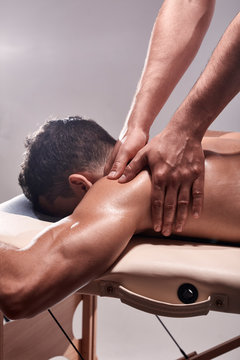
Knead a Break? Enjoy Massage Discounts Now!
Choose between 30 – 45 – 60 minutes.
The prices displayed on the website do not include a 50% discount, which will be applied to the final amount during checkout.